Get Trench Installation
Trench installation services help property owners lay underground utilities, drainage systems, or irrigation lines, solving issues with access, safety, and efficient infrastructure setup.
Trench installation is a common project for property owners looking to improve drainage, prepare for utility lines, or enhance landscape design. If you’re considering this type of work, it’s important to explore your options and find experienced local contractors who can handle the job efficiently and effectively. Comparing different service providers can help ensure the project meets your specific needs and aligns with your property’s requirements.
By exploring available trench installation services in the area, property owners can gain a clearer understanding of the practical solutions available for their projects. Connecting with qualified local contractors allows for informed decisions and tailored approaches, making it easier to plan and execute trench work that supports the long-term functionality of your property. Keep reading to learn more about how local experts can assist with your trench installation needs.
- Commercial properties - businesses needing durable trench work for utilities or drainage systems.
- Residential homes - homeowners requiring trench installation for plumbing, irrigation, or electrical lines.
- Industrial sites - facilities that need extensive trenching to support large-scale infrastructure projects.
- Public infrastructure - municipalities seeking trench work for roads, bridges, or public utility connections.
- Landscaping projects - property owners planning outdoor enhancements that involve trenching for drainage or irrigation.
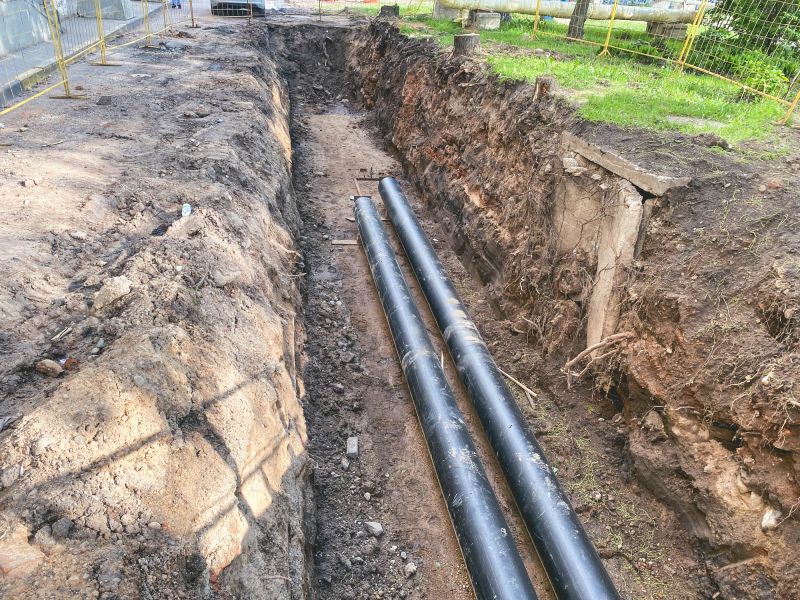
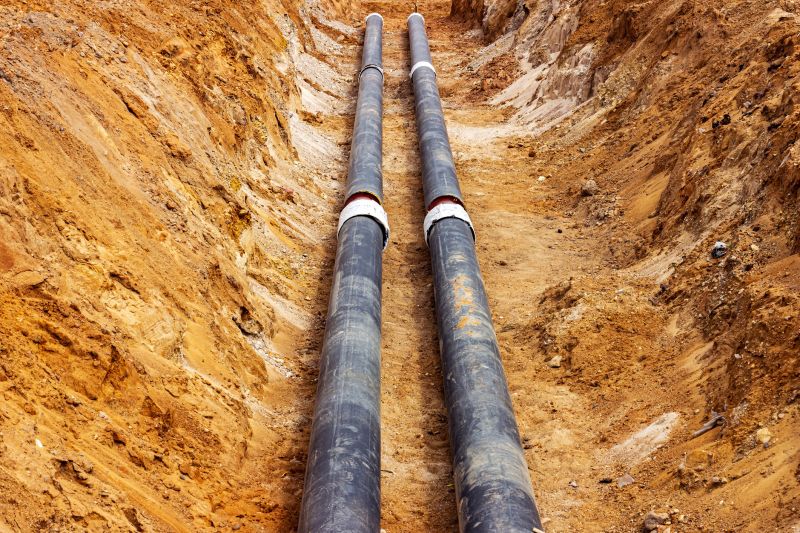
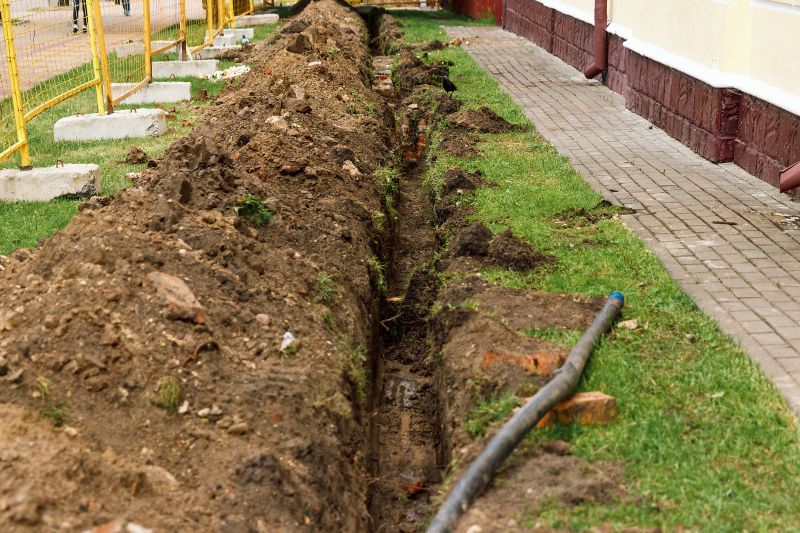
Trench installation services involve the careful digging and placement of trenches to serve various structural and functional purposes around a property. This process typically includes excavating narrow, deep channels in the ground to accommodate utilities such as water, gas, electrical lines, or drainage systems. Skilled contractors ensure that trenches are dug to precise depths and widths, with proper support and backfilling to prevent future issues. Proper installation helps maintain the integrity of underground lines and ensures they function safely and efficiently over time.
One of the primary reasons homeowners seek trench installation is to address drainage problems or prevent water damage. Installing effective drainage systems, such as French drains or sump pump lines, can help redirect excess water away from foundations, basements, or landscaping. This service also helps in installing or repairing utility lines that may be damaged or outdated, which can cause leaks, outages, or safety hazards. Trench work can be essential for improving the overall safety and functionality of a property, especially in areas prone to heavy rainfall or poor drainage.
Properties that typically utilize trench installation services include residential homes, especially those with large yards, basements, or landscaping that requires underground utilities. Commercial properties, such as office complexes, retail centers, and industrial facilities, often need trenching for extensive utility networks or drainage systems. Additionally, new construction projects frequently require trench work to lay foundational utilities before building begins. Homeowners with aging utility lines or drainage issues may also find trench installation to be a practical solution for upgrading or repairing existing infrastructure.
Homeowners who notice persistent water pooling, foundation cracks, or utility outages might consider trench installation services as a way to resolve these problems. It can also be useful when installing new utility lines during renovations or property expansions. Understanding the role of trenching in property maintenance and improvement can help determine when this service is needed. Connecting with experienced local contractors ensures that the work is performed correctly, helping to protect the property’s value and prevent future issues related to underground utilities or drainage.
The overview below groups typical Trench Installation projects into broad ranges so you can see how smaller, mid-sized, and larger jobs often compare in your area.
In many markets, a large share of routine jobs stays in the lower and middle ranges, while only a smaller percentage of projects moves into the highest bands when the work is more complex or site conditions are harder than average.
Smaller Repairs - Typical costs for minor trench repairs or patching range from $250 to $600. Many routine jobs fall within this range, depending on the extent of the work needed and materials used.
Standard Installation - Installing new trenches for irrigation or utility lines generally costs between $1,000 and $3,000. Most projects in this category stay within this range, with larger or more complex jobs reaching higher amounts.
Full Trench Replacement - Replacing an entire trench system can cost from $4,000 to $8,000 or more. Such projects tend to be less common but are necessary for extensive or outdated systems requiring complete overhaul.
Large or Complex Projects - Larger, more intricate trench installations, such as for drainage or commercial purposes, can exceed $10,000. These projects are less frequent but handled by local contractors equipped for high-scale work.
Actual totals will depend on details like access to the work area, the scope of the project, and the materials selected, so use these as general starting points rather than exact figures.
Underground Utility Line Installation - this project involves trenching to lay essential utility lines such as water, gas, or electrical cables, requiring similar excavation skills and planning.
Drainage System Installation - installing drainage pipes and systems often involves trenching to ensure proper water management around properties.
Foundation Excavation - preparing sites for building foundations involves trenching and precise excavation work, similar to trench installation processes.
Sprinkler System Installation - laying out underground sprinkler lines requires trenching and careful planning to ensure efficient irrigation coverage.
Fiber Optic Cable Deployment - installing underground fiber optic cables involves trenching to protect and route communication lines effectively.
Septic System Installation - trenching is essential for installing septic tanks and leach fields, requiring similar skills in excavation and planning.
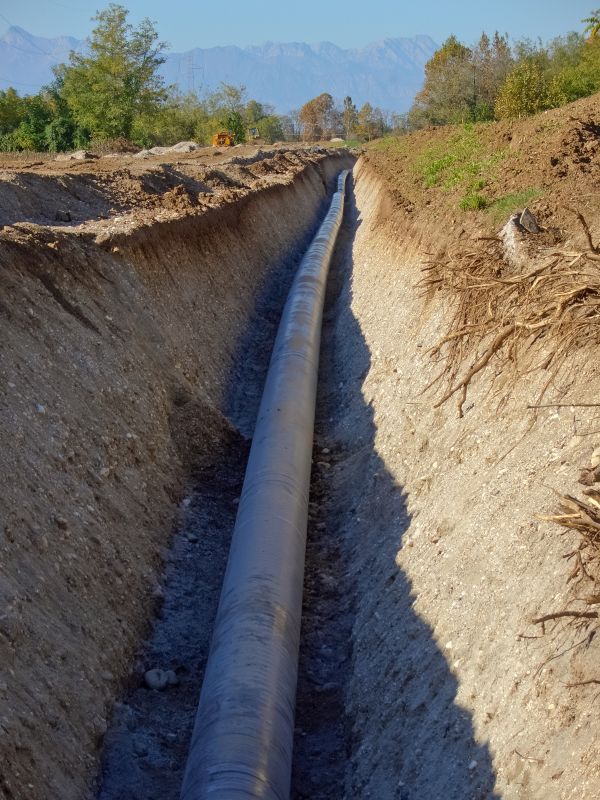
When evaluating potential contractors for trench installation, it is important to consider their experience with similar projects. Homeowners should inquire about the number of trenching jobs they have completed that match the scope and complexity of the work needed. A contractor with a history of handling comparable projects is more likely to understand the specific challenges involved and deliver satisfactory results. This background can provide confidence that the service provider has the practical knowledge necessary to manage the job efficiently and effectively.
Clear, written expectations are essential when comparing local service providers. Homeowners should seek detailed proposals that outline the scope of work, materials to be used, and any other relevant project details. Having these expectations documented helps prevent misunderstandings and ensures that both parties are aligned on the work to be performed. Good communication also involves responsiveness to questions and transparency about processes, which can be indicators of a professional contractor committed to delivering quality service.
Reputable references and a history of good communication are key factors in selecting a trench installation contractor. Homeowners can ask potential service providers for references from previous clients who had similar projects. Contacting these references can reveal insights into the contractor’s reliability, work quality, and professionalism. Additionally, a contractor who maintains open and clear lines of communication throughout the process can help ensure the project proceeds smoothly and any issues are addressed promptly. These qualities collectively support making an informed decision when choosing a local contractor for trench installation services.
Property owners use Trench Installation services for practical projects around their homes and businesses. This guide focuses on everyday jobs and straightforward project options.
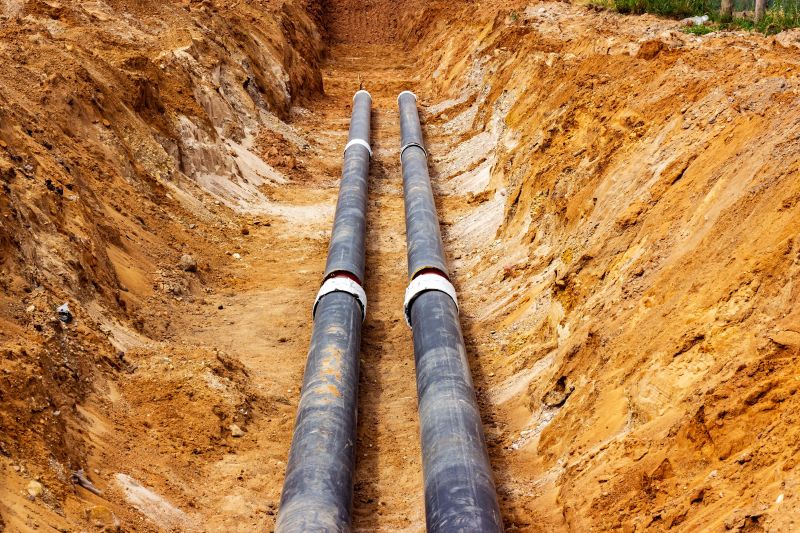
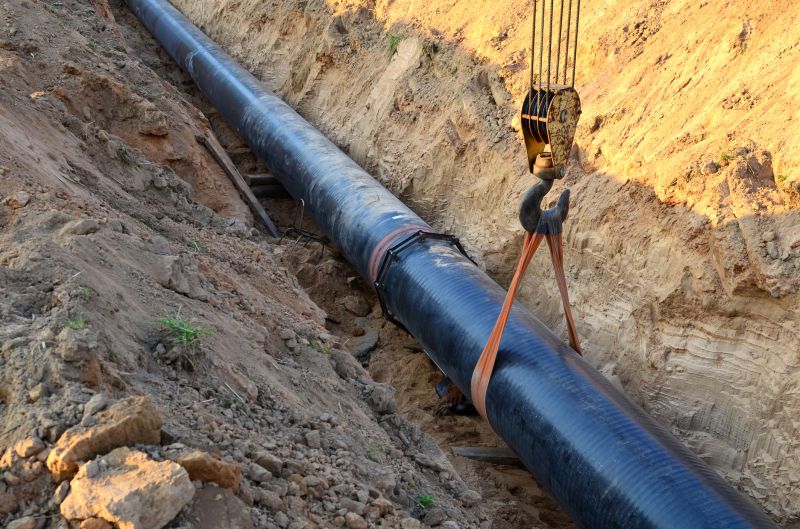
Trench installation services are often needed for a variety of everyday property projects. Homeowners may require trenches for installing new irrigation systems, drainage solutions, or underground utilities. These projects help improve yard functionality, prevent water pooling, or support new landscaping efforts, making trench work a common step in maintaining or upgrading a property.
Local contractors are available to assist with trench installation for both small and larger-scale projects. Property owners might seek out these services when planning to add new fencing, lay down foundation supports, or upgrade existing infrastructure. Connecting with experienced service providers can ensure that trench work is completed efficiently and correctly, supporting the ongoing maintenance and improvement of a property.
What is trench installation used for? Trench installation is typically used for laying utilities such as water, gas, electrical lines, or drainage systems underground.
How do local contractors prepare for trench installation projects? Contractors assess the site, determine the appropriate trench depth and width, and plan the excavation process to ensure proper installation and safety.
What types of trenches are commonly installed? Common trench types include linear trenches for utility lines, drainage trenches, and foundation trenches for construction projects.
What equipment is used during trench installation? Equipment such as excavators, trenchers, and compactors are commonly used to excavate, install, and backfill trenches efficiently.
How do local service providers ensure proper trench backfilling? They use suitable materials and techniques to backfill trenches, compact the soil properly, and restore the surface to prevent future issues.
Drainage Improvement - Installing a trench can help redirect excess water away from the foundation during heavy rain or snowmelt.
Garden and Landscape Edging - Trench installation can define garden beds or pathways, creating a neat and organized outdoor space.
Foundation Drainage - Proper trenching can assist with installing drainage systems to prevent water accumulation around a building’s foundation.
Irrigation Systems - Trenches can be used to lay irrigation lines, ensuring efficient watering for lawns and gardens.
If you are thinking about Trench Installation for a property, this guide is meant to help you understand the work, the typical project types, and how different options might fit your plans.
When you are ready, you can use the quote form on this page to share a few details about your project. From there, local pros can review the basics and respond with options that match what you have in mind.